How Crane Operators Make Decisions When They Can’t See the Load

Updated: Jul 9

In crane operations, visibility is everything. But in the real world, crane operators frequently work without a direct line of sight to the load they are moving. Whether it’s lifting over buildings, placing materials behind structures, operating at long radius, or working in congested job sites, blind lifts are a routine part of crane work.
So how do crane operators safely move thousands of pounds of material when they can’t see it?
The answer is not a single technique or piece of technology. It’s a combination of experience, communication, trust, and situational awareness developed over years in the seat. Understanding how operators make decisions in these conditions provides insight into the skill involved in crane operation and why clear communication and proper procedures are critical on every lift.
What is the Reality of Blind Lifts for Crane Operators?
Despite what many people outside the industry might think, direct visibility of the load is not always possible during crane operations.
Many job sites create natural blind spots for operators, including:
Lifting materials behind buildings or structures
Placing loads onto rooftops or elevated platforms
Working inside industrial facilities or shipyards
Operating cranes at long boom lengths or extreme radius
Handling loads behind stacked materials or containers
In these situations, the operator must rely on other sources of information to guide the lift.
Blind lifts are common in industries such as:
Construction
Marine and port operations
Steel fabrication
Energy and industrial facilities
Rail and intermodal yards
Because these scenarios happen frequently, crane operators are trained to make decisions using more than just what they can see from the cab.
How do They Build a Mental Picture of the Lift?
When operators cannot see the load, they rely heavily on mental visualization of the lift.
Experienced operators develop the ability to picture where the load is based on several inputs:
Boom position and angle
Hoist line tension
The feel of the crane’s controls
Communication from the ground crew
The expected path of the load
Over time, operators learn to recognize subtle feedback from the crane itself. Slight changes in line tension, boom movement, or load response can signal whether the load is swinging, catching, or moving as expected.
This mental model becomes the operator’s reference point throughout the lift. Each piece of information received helps refine that picture and guide the next move.
What is the Critical Role of the Signal Person and Rigger?
Because blind lifts are team operations, communication with the ground crew is essential.
The signal person acts as the operator’s eyes when the load cannot be seen. Their responsibility is to observe the load, the surrounding area, and nearby workers while providing clear instructions to the operator.
Common communication methods include:
Standard crane hand signals
Two-way radios
Designated signal persons positioned with line of sight to the load
Clear communication is critical. Confusion, multiple people giving instructions, or unclear signals can quickly create risk.
For this reason, professional crews typically designate one signal person to communicate with the operator, ensuring commands remain consistent and easy to interpret.
Trust between the operator and the signal person plays a major role as well. Teams that work together regularly often develop a rhythm and communication style that allows lifts to move smoothly and safely.
Crane Operator Decision-Making During a Blind Lift
Crane operators constantly evaluate risk and conditions throughout every lift, especially when visibility is limited.
Key factors influencing their decisions include:
Load weight and balance
Boom length and operating radius
Wind conditions
Ground crew proximity
Potential obstacles or structures nearby
Operators often move the load slowly when working blind, making incremental adjustments based on feedback from the signal person and the crane itself.
In many cases, operators pause the lift periodically to reassess conditions or confirm instructions. This deliberate pace helps maintain control and reduces the chance of unexpected movement.
A common phrase heard among experienced operators is: “Slow is smooth, and smooth is fast.”
Taking a careful approach allows operators to maintain precision even when direct visibility is limited.
How do Crane Operators Typically Manage Stress and Cognitive Load?
Blind lifts place additional mental demand on crane operators. Instead of relying on direct visual confirmation, operators must process multiple inputs at once. These may include:
Radio communication from the signal person
Crane feedback and load response
Environmental conditions such as wind or noise
Awareness of nearby workers and equipment
Over long shifts, this constant decision-making can contribute to fatigue. Maintaining focus is essential, especially when operating heavy machinery in tight environments. Experienced operators develop routines and habits that help manage this workload. Clear communication protocols and organized lift planning can reduce uncertainty and make the operation more predictable.
Where can a Visual Operator Aid Help?
In recent years, some crane operators have begun using visual operator aids to supplement traditional procedures during blind lifts.
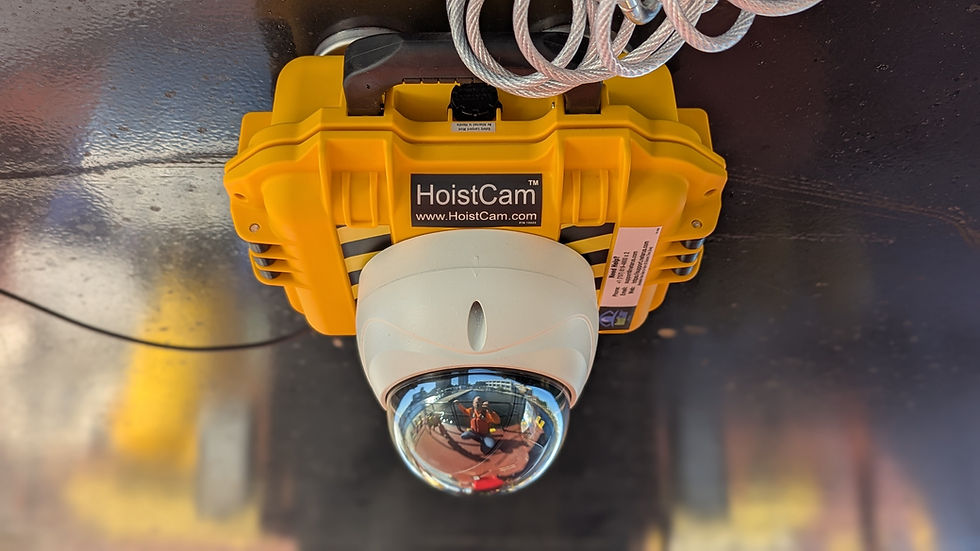
Tools like the HoistCam camera system provide a live video view from the hook block or near the load. This additional perspective can help operators:
Verify rigging alignment
See the load’s landing area
Confirm ground crew positioning
Monitor load movement during placement
These systems do not replace the signal person or standard crane procedures. Instead, they provide additional visual context that can help operators confirm what they are hearing from the ground crew.
Many operators find that this added visibility reduces uncertainty during certain types of lifts, particularly in congested job sites or industrial environments.
Why Operator Experience Still Matters Most
Technology can support crane operations, but operator skill and judgment remain the most important factors in safe lifting.
Experienced operators rely on:
Training and certification
Years of equipment familiarity
Clear communication with their crew
Careful planning before every lift
Blind lifts highlight just how much coordination and decision-making occurs during crane operations. Moving heavy loads safely often depends on the combined effort of the operator, signal person, riggers, and supervisors working together.
The Bottom Line
When crane operators cannot see the load, they depend on a combination of experience, communication, and teamwork to complete the lift safely.
Blind lifts require:
Strong trust between the operator and signal person
Clear and consistent communication
Careful decision-making under changing conditions
Operator aids such as HoistCam can provide additional visual context during certain lifts, but the foundation of safe crane operation always remains the training, judgment, and professionalism of the operator and crew.
Understanding how these decisions are made helps highlight the skill involved in crane operation and the importance of maintaining strong communication and procedures on every job site.
Disclaimer
HoistCam is designed as an operator aid to provide additional visual awareness during crane operations. It is not intended to replace established crane operating procedures, qualified signal persons, or required safety practices. Crane operators and crews should always follow applicable regulations, site policies, and standard lift planning procedures when performing crane operations.